IEA/AIE 2026
IEA/AIE 2026
Kuala Lumpur, Malaysia
| July 6-8, 2026
Distinguished Keynote Speakers
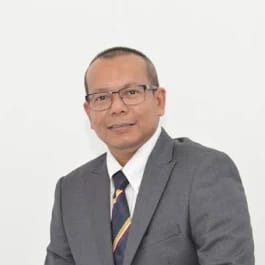
A Universal Scanning Technology using Multi-Modal Artificial Intelligence Architecture for Industrial Inspection Applications
Prof. Ts. Dr. Mohd Shafry Mohd Rahim
Universiti Teknologi Malaysia
Abstract
In the modern industrial landscape, the fusion of security and quality control is a critical pillar for national sovereignty and economic resilience. This keynote introduces a Universal Scanning Technology powered by a Multi-Modal Artificial Intelligence Architecture, specifically designed to address the inefficiencies of fragmented inspection systems. By integrating diverse sensor inputs—ranging from X-ray and RGB to hyperspectral imaging—the proposed methodology utilizes a unified neural backbone capable of extracting cross-domain features that are applicable to both metallic contraband and organic matter. Drawing from extensive research experience, this system was rigorously validated through three distinct Industrial Inspection Applications: Baggage Scanning for the detection of prohibited items in high-throughput transit hubs; Cargo Scanning for identifying structural anomalies in large-scale logistics; and Agricultural Scanning, featuring a specialized case study on the non-destructive quality assessment of Durian. This agricultural application is particularly significant for regional trade, as the AI architecture successfully identifies ripeness and internal defects in the fruit without physical entry. Despite the high accuracy of the model, several research issues remain, most notably the high computational latency associated with multi-modal data fusion and the "black-box" nature of deep learning decisions in security-critical environments. To address these challenges, future work will focus on optimizing the architecture for edge computing deployment to ensure real-time processing speeds and the integration of Explainable AI (XAI) to provide human inspectors with transparent, interpretable rationales for flagged anomalies. Ultimately, this research demonstrates that a universal, intelligent framework can bridge the gap between national security and bio-security, providing a scalable solution for the smart ports and autonomous factories of the future.
Biography: Mohd Shafry Mohd Rahim received the Diploma in Computer Science (1997), B.Sc.of Computer Science majoring in Computer Graphics (1999), and MSc. Of Computer Science (2004) from the University Technology Malaysia (UTM), Malaysia and his PhD of Spatial Modelling (2008) from University Putra Malaysia (UPM), Malaysia. He is presently the Professor of Image Processing at the School of Computing, Faculty of Engineering, University Technology Malaysia (UTM), Malaysia. He also serves as Research Fellow of Media and Game Innovation of Excellence (MaGICX), Institute of Human-Centred Engineering (iHuMeN), University Technology Malaysia and leading Image Processing and Application Research Initiatives. His passion is to explore new invention on processing various type images in the emerging application based on the revolution of technology for prospering lives. His research interests include image enhancement, feature extraction, segmentation, recognition, detection and classification; deep learning, computer graphics, computer vision and digital media. His research is funded by University, Malaysia Government, Industries and International such as HORIZON 2020 – EU Research and Innovation Programme. Besides, he also founded the Institute for Life Ready Graduate (iLeaGue), University Technology Malaysia (2020) with the responsibility to ensure graduates are ready for their lives and gainfully employed.
Keynote Speakers
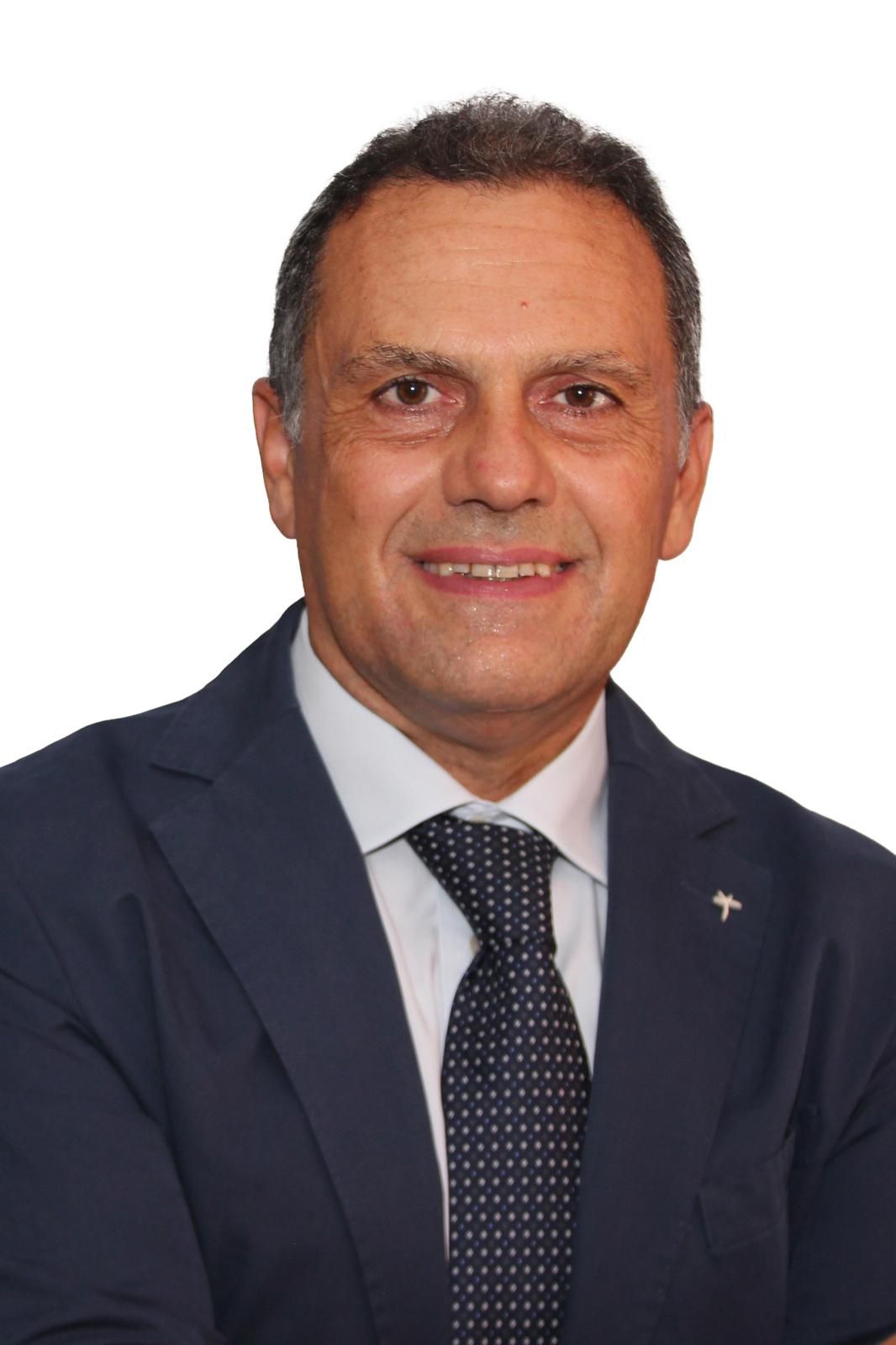
Is Industry Ready for AI? Bridging the Gap Between Promise and Reality?
Guido Guizzi
University of Naples Federico II – Italy
Abstract
Artificial Intelligence and Machine Learning are rapidly reshaping industrial systems, promising unprecedented improvements in efficiency, flexibility, and decision-making. From reinforcement learning for dynamic scheduling and predictive maintenance to large language models supporting operators and knowledge management, AI-driven solutions are opening new frontiers for smart manufacturing. However, despite these advancements, a significant gap remains between theoretical potential and real-world deployment. Industrial environments are characterized by complex, dynamic processes, fragmented and scarce data, and the need for robust, real-time decision-making—conditions where traditional AI approaches often struggle. Moreover, critical challenges such as data quality, model reliability, integration with legacy systems, and human-AI interaction raise fundamental questions about the true readiness of industry for large-scale AI adoption. This keynote explores both the opportunities and the open issues of AI in industrial applications, highlighting practical use cases alongside current limitations. It aims to provide a realistic perspective on how to move from isolated pilots to sustainable, value-driven implementations, ultimately outlining the path toward truly intelligent and adaptive industrial systems.
Biography: Guido Guizzi is an associate professor in the Department of Chemical, Materials and Production Engineering at the University of Naples Federico II. He is Associate Editor of the international journal Applied Intelligence. His current research interests include: Application of Artificial Intelligence and Machine Learning to Operations Management - with a focus on optimization, scheduling, and data-driven decision support - modelling and simulation of stochastic systems, Supply Chain Management, Logistics, Six Sigma. He obtained his PhD in Aerospace Engineering, Naval and Quality (University of Naples Federico II – Italy) in 2006. He has successfully collaborated with industry and academia, authoring more than 100 peer-reviewed research publications. He has been involved in several projects funded by companies. His email address is g.guizzi@unina.it.